
Medical Alert Devices: How to Choose the Best One for Your Needs
Medical alert devices provide a crucial lifeline for seniors, individuals with medical conditions, and those who live alone. These devices offer instant access to emergency services at the push of a button, providing peace of mind for users and their loved ones.
Read More
With so many options on the market, choosing the right medical alert system can feel overwhelming. This guide will help you understand how these devices work, what features to look for, and which options might be the best fit for your lifestyle.
What Are Medical Alert Devices?
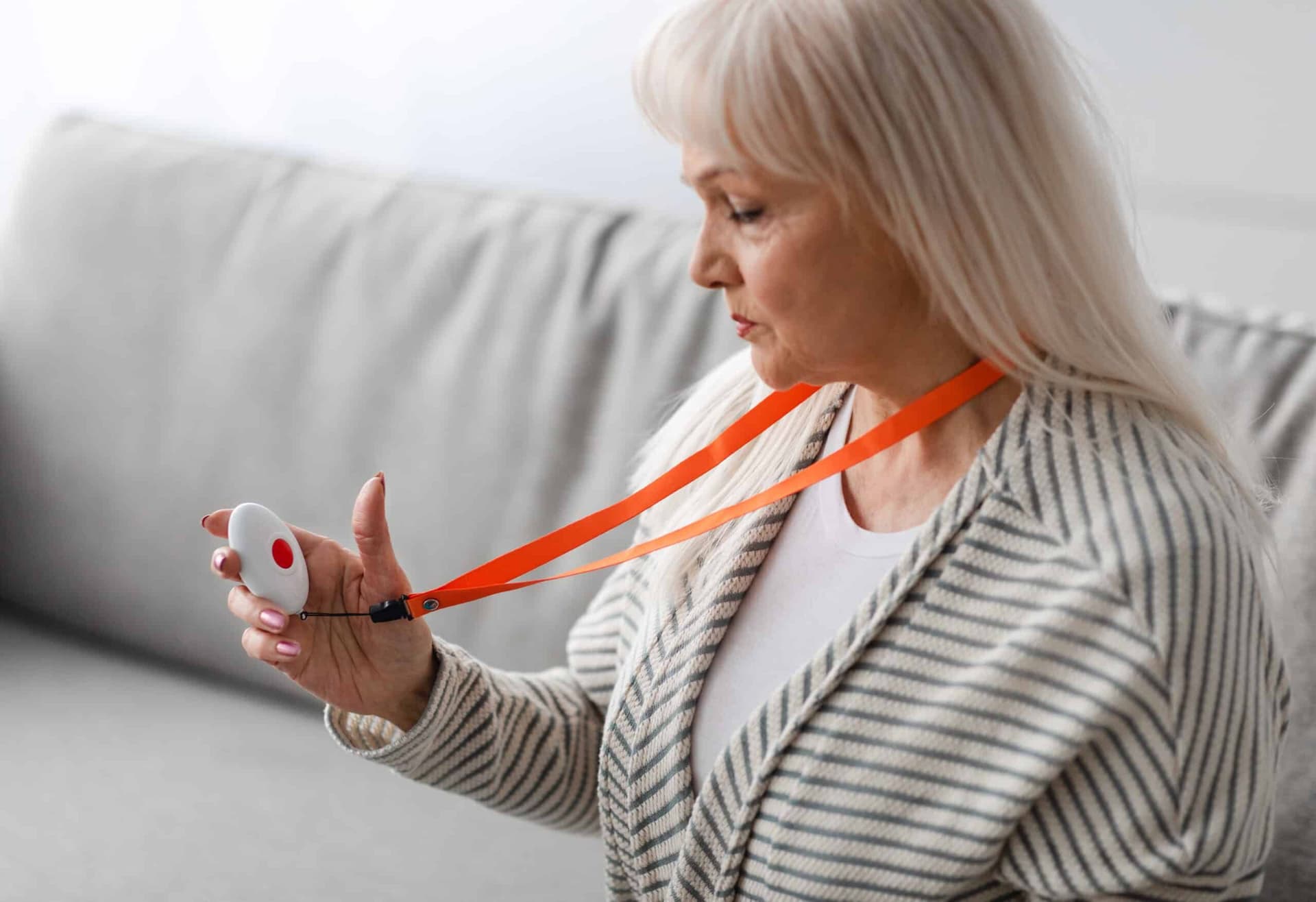
Medical alert devices are wearable or home-based systems designed to help individuals get immediate assistance in case of a fall, medical emergency, or other urgent situations. Most devices connect to a monitoring center staffed by trained professionals who can assess the situation and dispatch emergency services if necessary.
These systems typically include:
- Wearable Pendants or Bracelets: Lightweight, waterproof buttons that can be worn around the neck or wrist.
- Base Units: Devices that connect to a monitoring center via landline, Wi-Fi, or cellular networks.
- Fall Detection Sensors: Technology that automatically detects a fall and alerts emergency responders.
- GPS-Enabled Trackers: Portable systems for users who are active or prone to wandering.
Types of Medical Alert Systems
There are several types of medical alert devices available, each catering to different lifestyles and needs.
1. In-Home Medical Alert Systems
These systems are best for individuals who spend most of their time at home. They connect to emergency services through a landline or wireless connection and come with a wearable help button.
Best For: Seniors who primarily stay at home and need reliable, around-the-clock assistance.
- Two-way voice communication with a monitoring center
- Waterproof help buttons for use in the shower
- Range of 600–1,500 feet from the base unit
2. Mobile Medical Alert Systems
Mobile devices use cellular networks and GPS technology to work anywhere — ideal for active individuals who want protection at home and on the go.
Best For: Seniors who frequently leave home and want coverage while shopping, traveling, or exercising.
- GPS tracking for real-time location monitoring
- Built-in speaker for two-way communication
- Fall detection available on most models
3. Smartwatch-Style Medical Alerts
These combine health monitoring with emergency response features — they look like a regular smartwatch but include an SOS button, heart rate tracking, and step counting.
Best For: Tech-savvy users who prefer a discreet and stylish alert system.
- Voice-activated emergency calls
- Health and fitness tracking
- Cellular connectivity for on-the-go protection
4. Fall Detection Systems
These devices use motion sensors to detect a fall and automatically alert emergency responders, even if the user is unable to press the button.
Best For: Individuals with a high fall risk due to mobility issues, Parkinson's disease, or other medical conditions.
- Automatic fall detection with no button press required
- Works indoors and outdoors
- Can be combined with home or mobile systems
5. Monitored vs. Unmonitored Systems
- Monitored Systems: Connect to a 24/7 emergency response center where trained operators assess the situation and dispatch help.
- Unmonitored Systems: Alert pre-set emergency contacts such as family members or caregivers. These typically do not require a monthly fee.
Key Features to Look for in a Medical Alert Device
1. Fall Detection
A device with automatic fall detection can sense a sudden fall and contact emergency services even if the user is unable to push the button — essential for individuals with balance or mobility limitations.
2. Battery Life
Devices with long battery life reduce the need for frequent charging. Some wearables can last several months on a single charge, while smartwatches and GPS devices may require daily or weekly charging.
3. Waterproofing
Many falls happen in the bathroom, so having a waterproof device that can be worn in the shower is crucial. Always check the device's waterproof rating before purchasing.
4. GPS Tracking
GPS-enabled systems allow caregivers or emergency responders to track the user's location in real time — especially important for individuals with dementia or Alzheimer's who may wander.
5. Two-Way Communication
Most modern medical alert devices allow for two-way voice communication, enabling users to speak directly with emergency operators through the device.
6. Connectivity Options
- Landline-based: Reliable for home use but limited in range.
- Cellular-based: Works anywhere with cell service but requires a monthly plan.
- Wi-Fi-enabled: Allows for additional smart features like medication reminders.
Top Medical Alert Systems This Year
| Brand | Best For | Monthly Fee | Key Features |
|---|---|---|---|
| Medical Guardian | Best Overall | $29.95–$44.95 | GPS tracking, fall detection, mobile & home options |
| Life Alert | Best Reputation | $49.95+ | 24/7 monitoring, landline & cellular options |
| Bay Alarm Medical | Best Value | $19.95–$39.95 | Low-cost plans, waterproof devices, caregiver tracking |
| MobileHelp | Best for Active Seniors | $19.95–$46.95 | No landline required, smartwatch option available |
| Aloe Care Health | Best for Caregivers | $24.99–$49.99 | Voice-activated calls, motion sensors, app for family |
Prices and features may vary based on plan selection and promotions.
Who Needs a Medical Alert Device?
Medical alert devices are beneficial for a wide range of individuals, including:
- Seniors living alone who want independence but also need emergency protection.
- Individuals with mobility challenges who may be at risk of falls.
- People with chronic medical conditions like heart disease, epilepsy, or diabetes.
- Dementia or Alzheimer's patients who may wander and require GPS tracking.
- Post-surgery patients recovering at home who need a quick way to call for help.
Even younger adults with medical conditions or disabilities may find value in wearing a medical alert device for added security.
Final Thoughts
Medical alert devices can be life-saving tools, providing quick access to emergency assistance when needed most. Whether you're looking for a home-based system, a GPS-enabled device for on-the-go protection, or a smartwatch with built-in medical alerts, there are options to suit every lifestyle.
Before making a purchase, consider your specific needs, budget, and the features that matter most to you. The right medical alert system can provide both safety and peace of mind for you and your loved ones.