
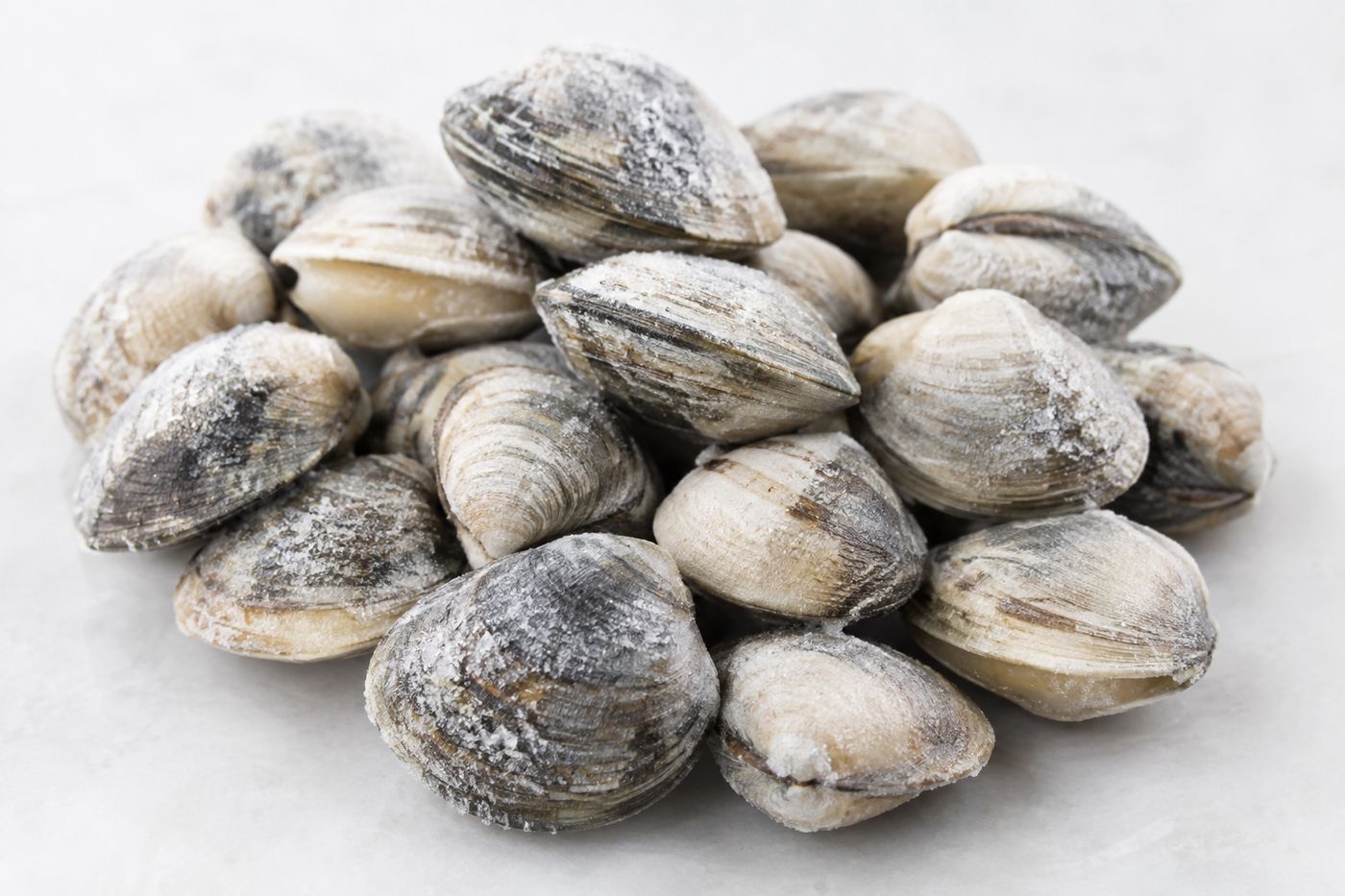
The Centers for Disease Control and Prevention has confirmed a multistate hepatitis A outbreak linked to frozen clams, with 37 cases reported across several states as of the agency's latest update. Health officials say the investigation is ongoing and more cases may be identified as testing continues.
What's Being Recalled?
CDC investigators have traced the outbreak to frozen clams sold at multiple retailers, with cases spread across more than one state. The agency has not yet pinned the contamination to a single brand or lot in public statements, and investigators are working with state and local health departments to identify the specific products and supply chain involved. Consumers are advised to check any frozen clam products in their freezers against updates from CDC and FDA as the source narrows.
Why Was This Product Recalled?
Hepatitis A is a contagious liver infection that spreads through contaminated food or water, and shellfish like clams can carry the virus if harvested from or processed with contaminated water. Symptoms include fatigue, nausea, abdominal pain, jaundice, and dark urine, often appearing weeks after exposure. Those most at risk include older adults, people with existing liver conditions, and anyone who hasn't been vaccinated against hepatitis A. The 37 confirmed cases reflect real illnesses tied to this investigation, and officials caution the true number may be higher given reporting delays.
What Should You Do?
If you have frozen clams in your freezer and are unsure of their origin, consider discarding them or holding off on consumption until CDC and FDA release more specific product details. Anyone who has eaten frozen clams recently and develops symptoms like fatigue, nausea, or jaundice should contact a healthcare provider promptly. People who may have been exposed can sometimes benefit from post-exposure vaccination if given quickly, so don't delay seeking medical advice.