
Bad Credit Solutions: How to Rebuild Your Score and Take Control of Your Finances
Bad credit doesn't mean you're bad with money — it just means something in your financial past has left a mark. Whether it was missed payments, maxed-out cards, or a rough patch that tanked your score, the good news is credit damage isn't permanent. There are real, practical steps you can take to rebuild, recover, and move forward.
Read More
What Does "Bad Credit" Really Mean?
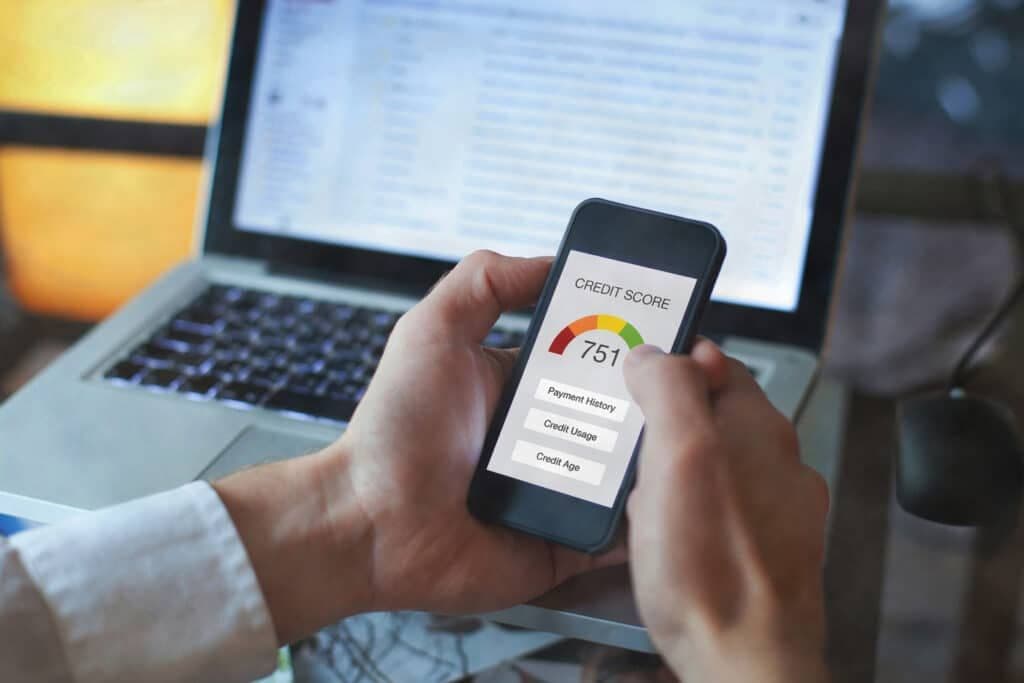
Credit scores typically range from 300 to 850. A score below 580 is considered "poor" by most standards, according to the FICO scoring model. If your score is in this range, lenders might see you as a higher risk, which can lead to loan denials, higher interest rates, and even trouble renting an apartment or getting utilities turned on without a deposit.
Bad credit usually results from missed or late payments, high credit utilization, collections, bankruptcies, or defaults. But a low score isn't forever — it's a reflection of the past, not a prediction of your future. With the right actions, you can start to rebuild and see progress faster than you might think.
How Bad Credit Affects Your Life
Having bad credit can make everyday life more expensive. You might get approved for a loan — but with sky-high interest rates. You might face higher car insurance premiums or have to pay a security deposit for a phone plan or rental. Employers in some industries even check credit reports when making hiring decisions. It's not just a number — it can impact your opportunities.
Best Solutions for Rebuilding Bad Credit
Start with Your Credit Report
First things first — get your credit report and look at it closely. You're entitled to a free report from each of the three major credit bureaus (Experian, TransUnion, and Equifax) once a year at AnnualCreditReport.com. Look for errors like duplicate accounts, incorrect balances, or payments marked late that weren't. Disputing these errors can improve your score quickly if they're dragging you down.
Pay All Bills On Time
Your payment history is the biggest factor in your credit score — making up about 35% of it. That means one of the fastest ways to start rebuilding is simply by paying every bill on time, every time. Even one late payment can have a big impact, especially if your credit is already low. Set up automatic payments or reminders to keep things on track.
Reduce Credit Card Balances
If your cards are close to maxed out, paying them down can give your score a noticeable bump. The credit utilization ratio — how much of your available credit you're using — accounts for about 30% of your score. Ideally, you want to keep this below 30%, and the lower the better.
Consider a Secured Credit Card
If you can't qualify for a regular credit card, a secured credit card is a great starting point. You put down a deposit (usually $200–$500), which becomes your credit limit. Use the card responsibly and pay it off each month, and it will report positive activity to the credit bureaus — helping you rebuild trust with lenders.
Become an Authorized User
If a friend or family member has good credit and is willing to help, they can add you as an authorized user on one of their credit cards. You don't even have to use the card — you'll benefit from their positive payment history, which gets added to your credit report and can improve your score.
Look Into Credit Builder Loans
Credit builder loans are small loans offered by credit unions and some online lenders specifically designed to help people improve their credit. The lender holds the loan amount in a secure account while you make monthly payments. Once you've paid it off, you get the money — and a better credit profile.
Comparison of Bad Credit Repair Tools
| Solution | What It Does | Best For | Cost |
|---|---|---|---|
| Credit Report Dispute | Removes inaccurate data from report | Errors or identity theft | Free |
| Secured Credit Card | Builds positive payment history | Thin or damaged credit files | $200+ deposit |
| Authorized User | Boosts score via someone else's good credit | Quick score improvements | Free (if approved) |
| Credit Builder Loan | Adds installment loan payment history | No loans or poor credit history | Varies ($10–$50/mo) |
| Credit Counseling | Repayment plans and budgeting support | Overwhelmed by debt | Free–Low cost |
Results vary based on individual credit history and consistency of use.
What to Avoid When Fixing Bad Credit
Not all credit repair strategies are created equal — some can make your situation worse. Be wary of any service that promises a "quick fix" or claims they can erase legitimate negative information. Missed payments and collections will stay on your credit report for seven years. Only time and good behavior can fix that.
Also, avoid payday loans or high-interest installment loans, even if you qualify. These can put you in a deeper hole and often do more harm than good. Opening too many new accounts at once can also temporarily drop your score due to hard inquiries and a lower average account age.
Can You Really Rebuild Credit on Your Own?
Absolutely. In fact, most people do. The key is consistency — making smart choices over time. There's no magic number of points you'll gain per action, but rebuilding is all about creating a pattern that lenders can trust. Whether it takes six months or two years, you can improve your credit if you stick to the plan.
How Long Does It Take to Fix Bad Credit?
Improvement timelines vary depending on what's hurting your score and how proactive you are. Small changes — like paying off a credit card or becoming an authorized user — can have a noticeable impact within a few months. More serious damage, like a default or bankruptcy, takes longer to recover from. But most negative marks lose their sting with time, and after seven years, they typically fall off your report altogether.
Final Word on Taking Control
Bad credit might slow you down, but it doesn't have to stop you. With a clear plan, the right tools, and a little patience, you can rebuild your credit and open doors to better financial options. Whether you're aiming to buy a car, qualify for a mortgage, or just stop living paycheck to paycheck, taking control of your credit is a solid first step toward lasting financial health.